Plants Vs. Zombies: Garden Warfare – The Definitive Tactical Shooter Revolution
When PopCap Games announced Plants vs. Zombies: Garden Warfare, the gaming community was sceptical. Transforming a beloved tower-defense franchise into a class-based, third-person, online multiplayer shooter? It sounded like a recipe for disaster. Yet, against all odds, Garden Warfare not only succeeded but blossomed into one of the most refreshing and enduring multiplayer experiences of the last decade. This deep dive explores why.
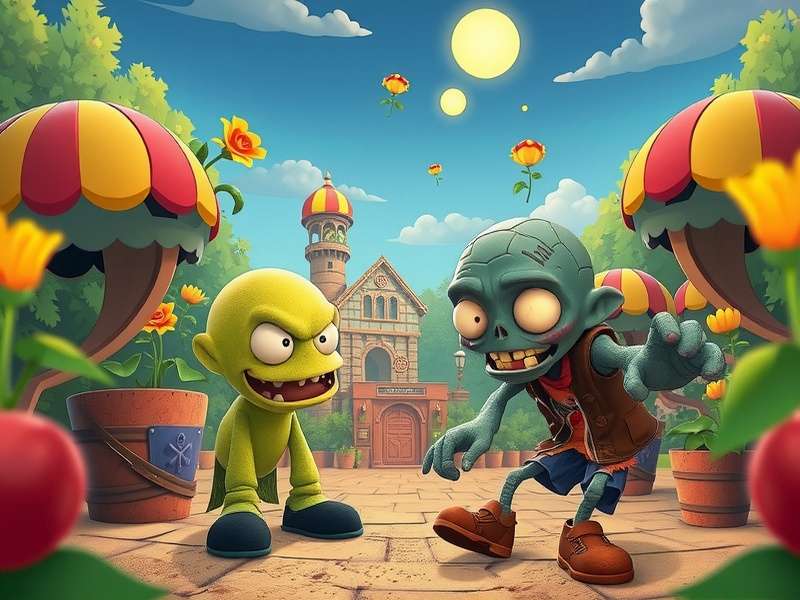
The core Plant team in action – coordination is key to victory.
From Lawn Defense to Frontline Warfare: A Genre-Bending Leap
The original Plants Vs Zombies 1 cemented its place in pop culture with its charming, strategic gameplay. Garden Warfare took that DNA and injected it with adrenaline. Set in the same vibrant, quirky universe, the game shifted perspective from top-down to over-the-shoulder, placing you directly into the hand-painted, diorama-like battlefields. The transition wasn't merely cosmetic; it required a complete reimagining of character abilities, map design, and team dynamics.
What truly sets Garden Warfare apart is its commitment to asymmetric balance. The Plants and Zombies aren't mirrored factions with different skins. They possess fundamentally unique classes, abilities, and tactical roles. A Peashooter plays nothing like a Foot Soldier. This creates a meta-game that is deep, constantly evolving, and incredibly rewarding to master. Unlike many contemporary shooters, success here relies less on twitch reflexes and more on positioning, ability management, and team synergy.
Class Deep Dive: Beyond the Peashooter and Foot Soldier
Each of the four initial classes for both factions has seen extensive community analysis. Let's move past the basics.
The Plant Arsenal: More Than Just Sunflowers
Chomper: Often misunderstood as a "noob tube," high-level Chomper play is an art of patience and map knowledge. The "Burrow" ability isn't just for easy kills; it's a zoning tool, an escape mechanism, and a way to disrupt enemy formations. The difference between a Spikeweed and a Goop variant Chomper changes your role from area denial to offensive support.
Cactus: The premier sniper, but her strength lies in strategic construction. A well-placed Tallnut or Potato Mine can single-handedly defend a garden in Gardens & Graveyards. Pro players use her drone not just for spotting, but for calculated drone strikes on key Zombie engineers reviving their teleporter.
The Zombie Horde: Tactical Decay
Engineer: The backbone of any Zombie offensive. His jackhammer isn't just for mobility; it provides brief invincibility frames, allowing for risky revives or objective pushes. The real game-changer is the Teleporter. Its placement can cut seconds off spawn times, a critical advantage in mode like strategic objective play.
Scientist: The close-quarters specialist. The "Sticky Heal Bomb" is arguably the most versatile ability in the game. It can heal a group, damage a group of plants, or be used as a makeshift proximity mine. A coordinated team with two Scientists can become nearly unkillable on a capture point.
Game Modes: Where the Meta Thrives
While Team Vanquish is the standard deathmatch, the heart of Garden Warfare beats in its objective-based modes.
Gardens & Graveyards: The Signature Experience
This attack/defend mode is the spiritual successor to the original game's level progression. Zombies must capture sequential gardens, with the Plants defending. Each map tells a story, with the Zombies pushing through a suburb, a canyon, or even a zombossified version of the Plant home base. The final stage always involves a unique boss fight or dramatic last stand, preventing the mode from feeling repetitive.
Vanquish Confirmed & Suburbination
These modes encourage aggressive, mobile play. "Vanquish Confirmed" (collect coins from fallen foes) solves the problem of campers, forcing players to leave cover. "Suburbination" (king of the hill) creates intense, chaotic battles over a single point, where area-control abilities like the Peashooter's Chili Bean Bomb or the All-Star's Imp Punt can swing the tide.
Advanced Strategies & The "Garden Warfare Meta"
Based on aggregated data from top-tier players and community tournaments, certain strategies have proven dominant.
The "Sunflower Chain": Two or more Sunflowers focusing heals on a single tanky character (like an All-Star or a Citron) can create an unstoppable pushing force. The key is staggered healing so Solar Beam barrages are always available.
Zombie Teleporter Spam: On defense, a team dedicating two Engineers to constantly rebuild a teleporter near the objective can overwhelm defenders through sheer persistence. This is countered by agile classes like the Rose or Imp flanking to destroy the teleporter generator.
The meta is less about a single "best" class and more about team composition. A team of four Peashooters will lose to a balanced team with a Sunflower, Cactus, Chomper, and Rose every time. Understanding counters is crucial: Cactus counters Foot Soldier, Scientist counters Chomper, Chomper counters All-Star, and so on.
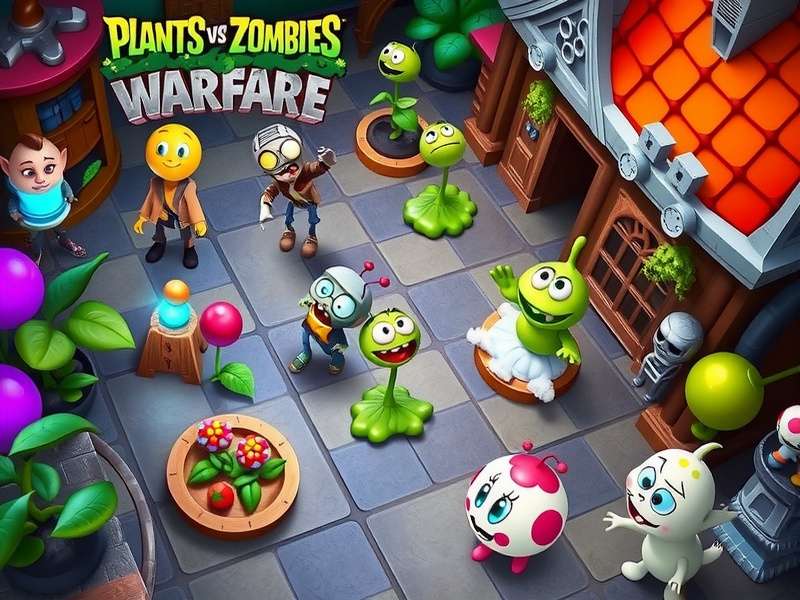
High-level map control involves mastering sightlines, flank routes, and ability cooldown management.
Community Legacy & The Road to Garden Warfare 2
Garden Warfare's longevity is a testament to its community. Fan sites, elaborate wiki projects, and content creators kept the game alive for years. The iconic soundtrack, which some fans still compare to the classic Plants Vs Zombies 1 OST, became a staple of live streams.
The game also pioneered a consumer-friendly DLC model. All maps and modes were released for free, funded by optional sticker packs for character variants. This prevented the player base from fragmenting and fostered immense goodwill. When players sought a PvZ download for PC after playing on console, the community was there to guide them.
Its success directly paved the way for the even more ambitious Plants vs. Zombies: Garden Warfare 2, which introduced backyard hubs, single-player quests, and many more characters. Yet, for many purists, the tighter balance and focused map design of the original remain unmatched.
Where to Play Today
While official servers are still active on some platforms, the community also thrives through initiatives like fan-run servers and revisits to the classic gameplay. Whether you're looking for the original free-play experience or diving into the more accessible modern versions, the garden is always open for warfare.
In conclusion, Plants vs. Zombies: Garden Warfare stands as a masterclass in genre hybridization. It proved that a franchise could radically reinvent itself without losing its soul. By prioritizing fun, charm, and strategic depth over gritty realism, it created a multiplayer shooter that remains uniquely engaging, fiercely competitive, and endlessly replayable. It's not just a spin-off; it's a cornerstone of the Plants vs. Zombies legacy.
Community Comments
Share your own Garden Warfare strategies, memories, or questions!