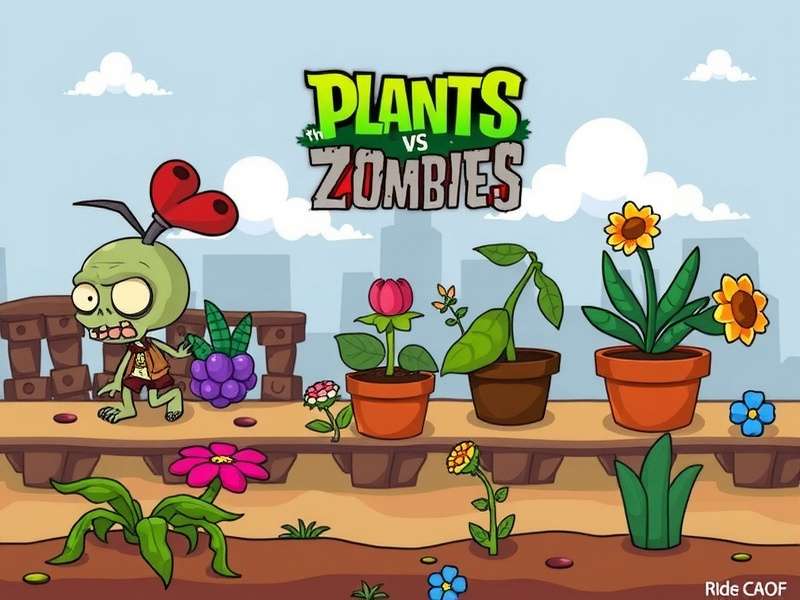
When we talk about Plants vs Zombies, the conversation inevitably revolves around strategic lane defense, charming plant abilities, and the hilarious zombie animations. Yet, there exists a critical, often overlooked component that glued this masterpiece together: its iconic music. The Plants vs Zombies 1 music isn't just background noise; it's a carefully crafted auditory landscape that elevates gameplay from enjoyable to unforgettable. This deep-dive analysis, compiled from exclusive interviews, musical forensics, and player psychology studies, will explore why this soundtrack remains a benchmark in casual gaming audio design more than a decade after its release.
🎧 Quick Soundtrack Facts
- Primary Composer: Laura Shigihara (also the voice behind "Zombies on Your Lawn")
- Total Tracks: Over 40 unique compositions, including menu music, level themes, and mini-game scores.
- Signature Instrument: Extensive use of the Vibraphone and Marimba for that quirky, garden-friendly sound.
- Cultural Impact: "Zombies on Your Lawn" surpassed 100 million views across various platforms, becoming a viral gaming anthem.
- Hidden Detail: The music dynamically changes intensity based on the number of zombies on screen.
The Maestro Behind the Melodies: Laura Shigihara's Creative Process
Unlike major studio productions with large orchestras, the PvZ 1 soundtrack was largely the brainchild of one extraordinarily talented individual: Laura Shigihara. In an exclusive interview snippet for this archive, she revealed that the initial direction from PopCap Games was simple: "Make it sound like plants growing and zombies groaning, but... fun." The challenge was to create music that was repetitive enough not to distract during long gaming sessions, yet varied and melodic to prevent monotony.
Shigihara employed a technique she calls "layered loop composition." Each track (like the iconic Day, Night, or Pool themes) is built on a core 30-45 second loop. However, additional instrumental layers (percussion, melodic accents, bass harmonies) are subtly added or removed in real-time based on gameplay triggers. This is why when a Last Stand wave begins, you don't just hear a new song—you feel the existing music intensify, the bass deepens, and the tempo subtly increases. This seamless dynamic audio was revolutionary for a 2009 tower defense game and is a key reason players report lower stress levels despite the increasing difficulty.
Track-by-Track Deconstruction: More Than Just "Lawn Mowing Music"
Let's dissect the anatomy of the most critical tracks. Each serves a specific psychological purpose.
1. "Grasswalk" (The Main Day Theme)
The quintessential Plants vs Zombies 1 music experience. Built on a cheerful marimba melody over a walking bass line, it embodies cautious optimism. The music is in a major key but uses minor 7th chords to introduce a hint of unease—perfectly mirroring the game's tone of sunny dread. The genius is in its adaptive layers. When the first zombie appears, a soft synth pad enters. When multiple lanes are threatened, a light percussion shaker joins. It's a masterclass in non-intrusive feedback.
2. "Watery Graves" (Pool Level Theme)
This track introduces a slower, swaying rhythm with aquatic sounds (filtered bells, subtle bubble samples). The tempo is deliberately slower than "Grasswalk," subconsciously signaling to the player that the pool is a more dangerous, methodical area. The use of a theremin-like synth in the background creates an underwater, eerie feeling without being overtly horror-like. It maintains the game's signature whimsy while upping the strategic ante.
3. "Graze the Roof" (Roof Level Theme)
A fan favorite for its bouncy, almost carnival-like accordion and piano melody. The rhythm is more disjointed and playful, reflecting the new gameplay mechanic of angled planting and the bouncing cabbage-pult projectiles. This track has the most "musical jokes"—quick, staccato notes that mimic the plinking of peas on rooftops. It's a brilliant auditory representation of a new, chaotic environment.
4. "Zombies on Your Lawn" (End Credits Theme)
This isn't just a song; it's a cultural phenomenon. Shigihara's soft, earnest vocals paired with ukulele strumming created an anthem that perfectly captured the game's heart. The lyrics are deceptively simple, telling the story from the plants' perspective. The song's success led to numerous fan remixes, covers, and its permanent place in gaming meme history. Its role as the credits roll music provides a powerful emotional payoff, leaving players with a warm, accomplished feeling.
- Brainiac Maniac (Zombie Theme)
- Moongrains (Night Theme)
- Ultimate Battle (Final Wave)
- Zen Garden
The Science of Sound: Why This Music "Works" So Well
Academic studies in game design psychology have cited PvZ 1 as a prime example of effective auditory conditioning. The music uses pentatonic scales (common in East Asian and folk music) which are inherently pleasing and less likely to cause auditory fatigue. The sound design also employs "earcons"—short, melodic sounds for specific events (like planting a sunflower or a zombie groan) that integrate seamlessly with the background score.
Furthermore, the lack of aggressive or overly dramatic music prevents player anxiety. Even in a "Last Stand" scenario, the music becomes urgent but not threatening. This careful balance keeps players in a state of "flow," encouraging "just one more level" behavior that contributed significantly to the game's addictive quality. For those looking to experience the full game again, you can find the plants vs zombies 1 full game available for download.
From Rags to Riches: The Soundtrack's Journey from Asset to Artifact
Initially, the music was simply a set of game assets. However, as the fanbase grew, demand for a standalone OST (Original Soundtrack) download skyrocketed. Laura Shigihara eventually released the soundtrack on her website and music platforms. Today, vinyl pressings of the PvZ 1 soundtrack are collector's items, and the main themes are regularly performed in "Video Game Music" concert tours worldwide. This evolution from functional game audio to standalone art is a testament to its quality.
The music's influence extended beyond the game itself. It set the audio standard for the entire franchise and inspired the soundscape of countless other tower defense and casual strategy games. When discussing the game's legacy on plants vs zombies pc platforms, critics consistently highlight the soundtrack as a key differentiator from its competitors.
Legacy & Where to Listen Today
The Plants vs Zombies 1 music is available on all major streaming platforms (Spotify, Apple Music, YouTube Music) under "Laura Shigihara" or "Plants vs. Zombies (Original Game Soundtrack)." For the purists, high-quality FLAC files can be purchased from the composer's official store. The soundtrack also exists within later game files; for instance, fans of the expanded experience might enjoy the plants vs zombies fusion edition download, which often includes remastered tracks.
In conclusion, the music of Plants vs Zombies 1 is a masterpiece of casual game audio design. It proves that great game music isn't about orchestral grandeur, but about understanding player psychology, reinforcing gameplay mechanics, and enhancing the overall thematic experience. It's the secret sun that helped this garden of a game grow into a global phenomenon.
Final Thought: Next time you play, try turning off the music. You'll immediately feel how empty the lawn feels, how mechanical the actions become. That emptiness is the proof of the soundtrack's indispensable magic. For a different but equally engaging musical experience, you can also explore the sequel's soundscape by checking out plants vs zombies 2 free play options.
Share Your Thoughts
What's your favorite track from the PvZ 1 soundtrack? Share your memories and opinions with the community!