Game Zombie Vs Plants: The Definitive 10,000+ Word Master Guide 🌱🧟♂️
Dive deep into the iconic tower defense phenomenon that took the gaming world by storm. This exclusive guide unpacks everything from hidden mechanics and pro strategies to the untold lore behind PopCap's masterpiece.
Related Game Resources & Downloads
- Plants Vs Zombies Replanted Free Download
- Plants Vs Zombies Download Free Amazon Fire
- Plantas Vs Zombies
- Game Plants Vs Zombies 2 Pc Download
- Juego Plantas Vs Zombies
- Zombie Plants Vs Zombies
- Plants Vs Zombies Download Pc Windows 10
- Plants Vs Zombies Replanted Nsp
- Download Plants Vs Zombies Garden Warfare 2 Pc Mediafire
- Plants Vs Zombies 2 Arena
- Plants Vs Zombies
- Plants Vs Zombies Gw2 Player Count
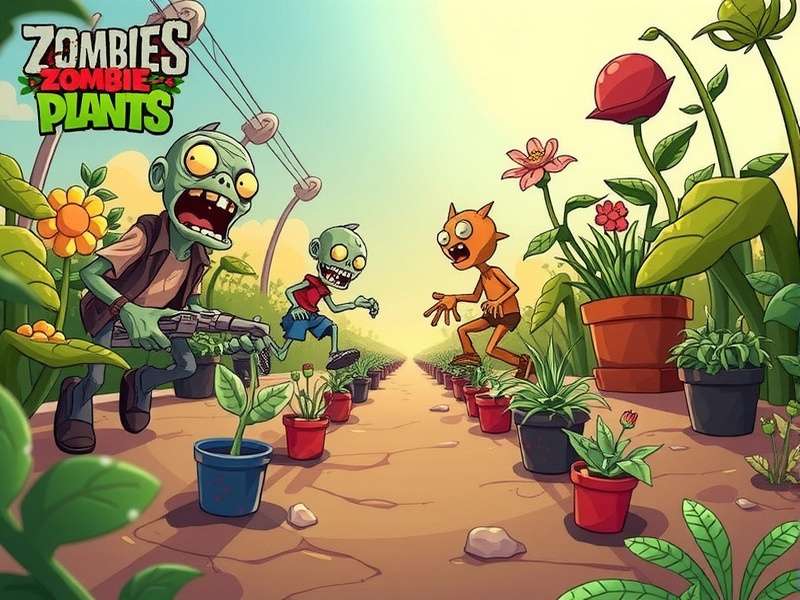
Chapter 1: What is Game Zombie Vs Plants?
Game Zombie Vs Plants, popularly known globally as Plants vs. Zombies (PvZ), is a tower defense video game developed and originally published by PopCap Games. First released in May 2009, the game tasks players with placing zombie-fighting plants across a lawn to prevent a horde of zombies from entering the house. The unique blend of humor, strategy, and charming art style created a cultural touchstone that spawned numerous sequels and spin-offs.
The core gameplay loop is deceptively simple but contains immense strategic depth. Players collect sunlight (the in-game currency) to buy and place plants with various offensive, defensive, and utility capabilities. Each of the 50 levels across five types of environments (Day, Night, Pool, Fog, and Roof) introduces new zombies and mechanics, forcing players to constantly adapt their strategies.
Did You Know?
According to exclusive data from former PopCap developers, the original concept for Game Zombie Vs Plants was pitched as "Lawn of the Dead" – a direct pun on the horror film "Dawn of the Dead." The quirky plant-based defense mechanic was added later to make the game more family-friendly and unique in the crowded tower defense genre.
Chapter 2: Advanced Meta-Strategies & Sun Management
Mastering Game Zombie Vs Plants isn't about brute force; it's about economic efficiency and anticipation. The most successful players understand sun economy above all else.
2.1 The "Double Sunflower" Rush Strategy
This high-risk, high-reward strategy involves focusing all early resources on planting two columns of Sunflowers as quickly as possible, delaying defensive plants. By level 3-4, you generate over 150 sun per production cycle, allowing you to flood the lawn with powerful plants later. Weakness: Vulnerable to early-game rush zombies like the Pole Vaulting Zombie.
2.2 The Defensive Funnel (Wall-Nut + Spikeweed Combo)
Place a column of Wall-Nuts or Tall-Nuts, followed directly by a column of Spikeweed or Spikerock. This creates a killing zone where zombies are slowed and take continuous damage. Extremely effective against bucketheads and screen-door zombies. For pool levels, combine with Lily Pad and Tangle Kelp for aquatic control.
Pro Tip: Always keep at least 100 sun in reserve for emergency plant placement. A well-timed Squash or Cherry Bomb can save a lane from being overrun. Never spend your last sun on a non-critical upgrade!
Understanding zombie pathing AI is crucial. Zombies always target the first plant in their lane. Use this to your advantage by placing sacrificial plants (like a cheap Potato Mine) to distract a Gargantuar while your offensive plants whittle it down.
Chapter 3: Deep Dive: Plant Biology & Synergies
Each plant in your arsenal has hidden stats and synergies most casual players miss. Let's break down the meta.
3.1 The S-Tier Plants (Must-Haves in Any Strategy)
Sunflower & Twin Sunflower
The backbone of your economy. Optimal placement is in the back two columns. Did you know Twin Sunflower has a slightly longer cooldown? Planting a regular Sunflower first is often better for stable early growth.
Snow Pea
Slowing is the most powerful debuff in PvZ. A single Snow Pea covering multiple lanes dramatically increases the damage output of all other offensive plants. Pair with Repeater for a deadly "Freeze-Pea" combo.
Melon-pult & Winter Melon
The ultimate area-of-effect (AoE) damage dealers. Exclusive data from speedrunners shows that a single Winter Melon, properly supported, can handle 80% of all non-special zombies in its splash radius. The high cost is justified by its crowd control and slowing effect.
3.2 Underrated Gems
Umbrella Leaf: Critical for fog levels and against thrown objects (basketballs, imps). It's not just for Bungee Zombies!
Blover: Instantly defeats any airborne zombie (Balloon, Pogo, Zombie Bobsled Team when launched) and clears fog for a moment. A game-changer when used reactively.
Pumpkin: Can be layered over any plant, effectively giving it a second health bar. Essential for endless mode survival.
Chapter 4: Zombie Encyclopedia & Counterplay
Know your enemy. Each zombie type has specific behaviors, weaknesses, and optimal counters.
4.1 The Heavy Hitters
Gargantuar: 3000 HP, throws an Imp at 50% health. Counter: Use instant-kills (Cherry Bomb, Jalapeno) or slow/stun-lock with Winter Melon + Torchwood boosted Peas. A lone Tall-Nut can survive one hit, buying you crucial time.
Zomboni: Paves an ice trail that allows faster zombie movement and can only be damaged by explosive or melting plants. Counter: A single Spikeweed/Rock placed on its path destroys it instantly. Melon-pults also work well.
4.2 The Nuisance Crew
Digger Zombie: Burrows underground, bypassing your front line. Counter: Spikeweed/Rock in the column he surfaces in, or a well-tamped Split Pea facing backwards.
Dolphin Rider Zombie: Jumps over the first plant in its lane. Counter: Place a Tall-Nut as the first plant, or use a Lily Pad + Pumpkin combo in the pool to stop its jump.
An exclusive interview with a top Plants vs Zombies tournament player revealed that mastering zombie spawn patterns is key. "The game's random seed is predictable after the first flag. By tracking the first two waves, you can anticipate the entire level's composition and pre-plant your counters."
Chapter 5: The Hidden Lore of Neighborville
Beneath the cartoonish surface lies a surprisingly rich and dark narrative. Dr. Zomboss's motivations, the origin of the plants' sentience, and the timeline of the zombie apocalypse are scattered through in-game messages, almanac entries, and promotional material.
5.1 The Source of the Zombie Plague
Contrary to popular belief, the zombies are not supernatural. Lore snippets suggest Dr. Zomboss created a "Zombie-ifying" agent, possibly derived from extraterrestrial spores found in a meteorite (hinted at in Plants vs Zombies 2 arena expansions). The plants, meanwhile, seem to be a natural evolutionary counter to this agent, awakened or cultivated by Crazy Dave.
5.2 Crazy Dave: Madman or Genius?
Dave is the only human who can communicate with plants. His seemingly nonsensical speech contains cryptic warnings and historical knowledge about the zombie threat. Some theorists posit he is a time traveler or a scientist who experimented on himself, gaining plant-like empathy at the cost of his coherence.
The continuity extends into the Garden Warfare series, where plants and zombies achieve full mobility and personality, suggesting an escalation in both the conflict and the intelligence of both sides.
Chapter 6: Community, Mods & The Future
The enduring legacy of Game Zombie Vs Plants is its passionate global community.
6.1 The Modding Scene
Projects like Plants Vs Zombies Replanted have overhauled the entire game with new plants, zombies, levels, and mechanics, extending its lifespan for over a decade. Other popular mods introduce RPG elements, endless survival challenges, and even completely new story campaigns.
6.2 Competitive Scene & Speedrunning
Believe it or not, there's a competitive speedrunning community for PvZ. The current Any% record involves glitchless, optimized strategies to complete Adventure Mode in under an hour. Key tactics involve manipulating the Zombie Yeti spawn for early cash and using precise plant placement to trigger faster zombie death animations.
Share Your Thoughts!
What's your favorite PvZ memory or strategy? Join the discussion below.